Despite widespread use during pregnancy and continued growth of the no- and low-alcohol drinks market - such as alcohol-free or low-alcohol beers, wines and spirits - the findings highlight that many women feel there is a lack of guidance from healthcare professionals about these alternatives, prompting calls for clearer information and support.
The World Health Organisation advises there is no known safe level of alcohol consumption during pregnancy. Yet, with the UK Government’s 10-Year Health Plan including plans to consult on changing the upper strength threshold at which a drink may be described as alcohol free to (from 0.05% currently to 0.5% ABV), experts are even keener to ensure consistent information is provided.
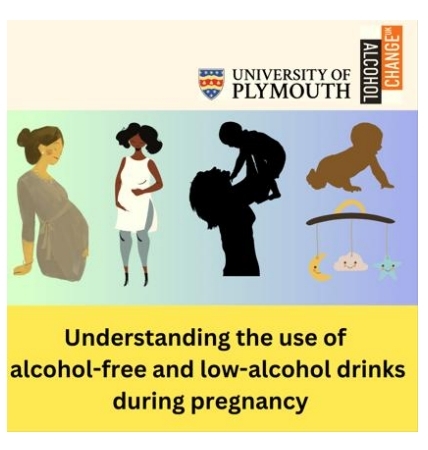
The first-of-its-kind peer-reviewed study, conducted by the University of Plymouth on behalf of Alcohol Change UK, explored how more than 2,000 currently or recently pregnant women think and feel about alcohol-free and low-alcohol drinks, as well as how regularly, if at all, they are consumed during pregnancy and why.
The report highlights four key recommendations:
- Clarity - is needed on the safety and suitability of alcohol-free and low-alcohol drinks during pregnancy. Specifically, clarity is needed on those in the 0.05-1.2% ABV category as there are greater concerns expressed about the threshold levels
- Labelling - of low-alcohol drinks should be improved, so that they are clearly distinguishable from alcohol-free drinks
- Clear guidelines for professionals - about alcohol-free and low-alcohol drinks during pregnancy and breastfeeding are needed for health care professionals so that consistent advice can be provided
- Ensuring no- and low-alcohol is part of pre-existing advice for pregnancy and beyond - organisations that provide advice to pregnant and breastfeeding women about alcohol, should also include specific advice about low-alcohol and alcohol-free drinks.
Safety, socialising and stealth – why women opt for alcohol alternatives during pregnancy
Among those who report consuming alcohol-free and low-alcohol drinks during pregnancy, the leading motivation is safety, with almost three quarters (72%) keen ‘to choose a safer alternative to alcohol’. This is followed by 69% saying these drinks help them to ‘feel included in social events involving alcohol’ and 45% because they like the taste.
Notably, these alternatives are more popular among women reporting higher levels of alcohol consumption pre-pregnancy, with nine in 10 (91%) using them at some point while pregnant. This group is also more likely to report that these drinks help them to conceal a pregnancy in the early stages, due to their similar appearance to alcoholic drinks.
Widely used but confused
Although the use of alcohol-free and low-alcohol options during pregnancy is commonplace, almost 6 in 10 respondents (57%) think that there is insufficient information available about these drinks in relation to pregnancy.
More than half of women surveyed (55%) said they did not receive any information about these drinks from sources including a midwife, GP or pregnancy organisation. Internet search was the leading source of information (22%), followed by advertising (14%) and social media (13%), while fewer than 1 in 10 (8%) received information from their midwife.
More than three quarters feel that drinks clearly labelled 0% or alcohol-free are ‘very acceptable’ during pregnancy (78%) and when breastfeeding (80%). Yet, for low-alcohol drinks between 0.5-1.2% ABV, the proportion of those deeming them ‘very acceptable’ drops to just 11% during pregnancy and 40% when breastfeeding. Follow-up interviews reaffirmed these concerns and confusion over the ABV content, safety and labelling of low-alcohol options.
Dr Kate Maslin, Senior Research Fellow in Maternal and Child Health at the University of Plymouth and project lead, said:
"Alcohol-free drinks have clearly found favour among pregnant and recently pregnant women as they look to make safer choices when socialising during pregnancy. Yet, what really shone through, both in the data and when speaking with individuals to explore their experiences and attitudes further, was a feeling that information about the safety and suitability of these alternatives, particularly from healthcare and pregnancy professionals, has not kept pace.